Commercial Real Estate Escrows
Home » Commercial Real Estate Escrows
Commercial Real Estate Escrow Services in California
Commercial real estate escrow brings a neutral party into a property transaction to handle funds and closing documents under the parties’ written instructions. Buyers, sellers and brokers need a clear path from the signed agreement to the conditions required for closing.
Guaranty Escrow helps coordinate commercial property transactions with attention to the people, documents and decisions involved. Share your property type, ownership structure, financing and proposed schedule so our team can confirm the appropriate escrow services for your file. Our real estate escrow overview explains the broader service.

Guaranty Escrow for Commercial Real Estate
A Clear Plan for Your Commercial Closing
Start with the requirements of your transaction. Early coordination helps identify the participants, documents and decisions needed to move the file forward.
Escrow Support for Commercial Property Transactions
An owner-user building and a tenant-occupied investment property can raise different closing questions. Entity ownership, financing and the terms of the purchase agreement each shape the file. Ask our team about your office, retail, industrial or mixed-use property so we can discuss the intended transaction and confirm the service scope. Buyers and sellers may be working with brokers, attorneys, lenders, title professionals and property managers. A clear point of contact helps those participants understand what escrow needs and when. For an apartment property, explore our multifamily escrow services.
Your Commercial Escrow Opening Checklist
Start with the signed purchase agreement and amendments, property information, the legal names of the parties and the proposed closing date. Identify the broker, lender, title company and counsel involved. Flag LLCs, corporations, partnerships or trusts early, and ask which authority and signing documents will be needed. For occupied property, identify who will coordinate lease information, rent schedules, deposits and agreed adjustments. If the agreement calls for estoppels, assignments or other third-party documents, clarify who will prepare, review and approve them. This is a planning checklist; the actual requirements depend on the file.
Coordinate the Instructions, Title and Financing
Review the escrow instructions carefully and raise differences between those instructions and the parties’ agreement before signing. Keep the escrow team informed as the participants complete their respective work. Title and lender requirements, payoff information, signatures, funds and agreed adjustments may each affect readiness. Identify open items and who is responsible for resolving them. A target date helps organize the work but does not replace the conditions for closing. Escrow coordinates its assigned functions; your attorney, broker, lender and other advisers address their respective legal, property, financing and investment questions.
Review the Figures Before the Final Steps
Review the estimated closing statement while there is time to address questions about charges, credits, prorations and disbursement instructions. Confirm signing and funding arrangements with the assigned escrow officer, especially when several entity representatives or an out-of-area participant are involved. If a 1031 exchange is contemplated, involve the exchange and tax professionals early and tell the escrow team. Escrow does not determine tax eligibility. Closing and disbursement proceed under the instructions and applicable requirements. Afterward, ask the team to explain the final statement and records for your file.
Separate Holding Escrows and Post-Closing Holdbacks
A property purchase escrow and a separate holding arrangement serve different purposes. If the parties propose retaining funds for an unresolved item, discuss that need before agreeing to the arrangement. The amount, funding, deadlines, release evidence and required approvals need a clear written framework that the escrow holder can accept. Our holding escrow services and post-closing escrow holdback guide provide a starting point. A holdback does not automatically make a property ready to close or satisfy a lender’s requirements.
Discuss Your Commercial Escrow With Chris Fontes
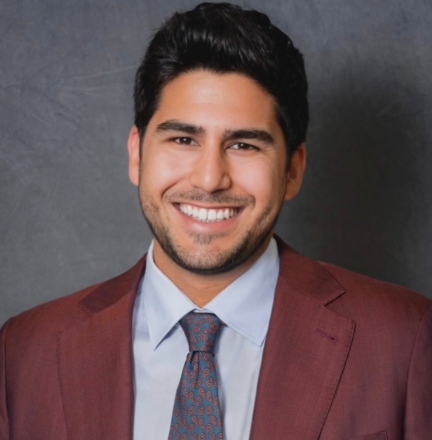
Chris Fontes, Escrow Officer, brings commercial escrow experience, including work in a title-company escrow environment. Contact Chris at 424-235-1243 or Chris.Fontes@guaranty-escrow.com to discuss your property, agreement and proposed schedule.
For help connecting with the team, contact Jessica Kalkin, Business Development, at 310-935-8854 or Jessica@gepartnersllc.com. Share the property type, location and timing so the conversation starts with your file’s needs. Meet our escrow team or contact Guaranty Escrow.
Commercial Real Estate Escrow FAQs
How is commercial escrow different from a home purchase?
The neutral escrow role is similar. Commercial files may involve entity owners, leases, more participants and transaction-specific title or financing conditions. The actual requirements come from the agreement and file, rather than one checklist for every commercial property.
How long will my commercial escrow take?
The parties’ agreement, financing, title matters, due diligence and document readiness shape the schedule. Ask for a file-specific discussion of the proposed date and open items. No standard number of days fits every transaction.
Can escrow advise me about a lease, property condition or investment return?
Escrow coordinates its assigned closing functions. Your attorney, broker, lender, inspector and other advisers address their respective legal, financing, property and investment questions. The escrow officer does not negotiate the transaction for either party.
Can I discuss an LLC-owned property or a 1031 exchange?
Yes. Flag entity ownership and any contemplated exchange early so the relevant professionals and documentation can be coordinated. Escrow does not determine your tax eligibility or replace advice from a qualified intermediary or tax adviser.
Can funds remain in escrow after the property closes?
A proposed post-closing holdback requires a separate review of its purpose, funding, release conditions and required approvals. The parties need written terms the escrow holder can accept. Do not assume the purchase escrow automatically continues or that a deadline alone authorizes release.
Our Team
Contact Our Escrow Experts


Matthew Bond